Brief Recap
After Chris Froome crested stage 8’s Ax-3 Domaines way ahead of everyone else in contention, many were worried that the remaining two weeks of competition would be boring. While Team Sky’s 28-year old leader held onto the jersey tightly all the way to Paris, even increasing his lead on the rest of the bunch, this year’s two was anything but boring, even after Froome’s dominant first high mountain stage.
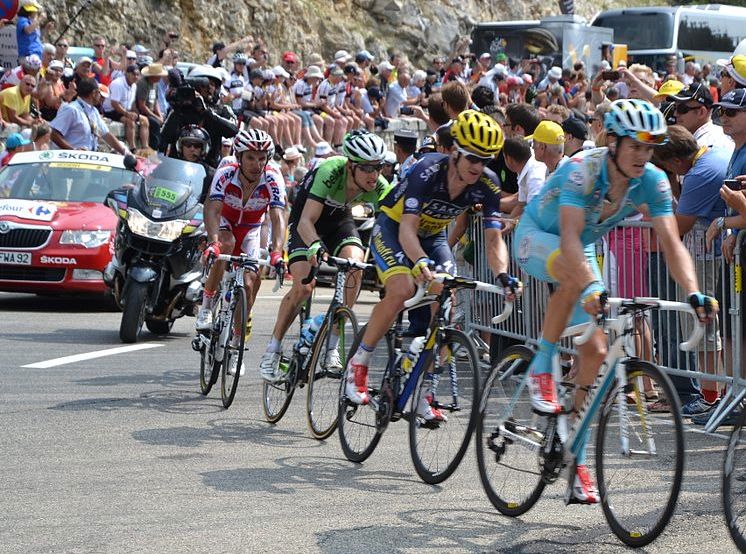
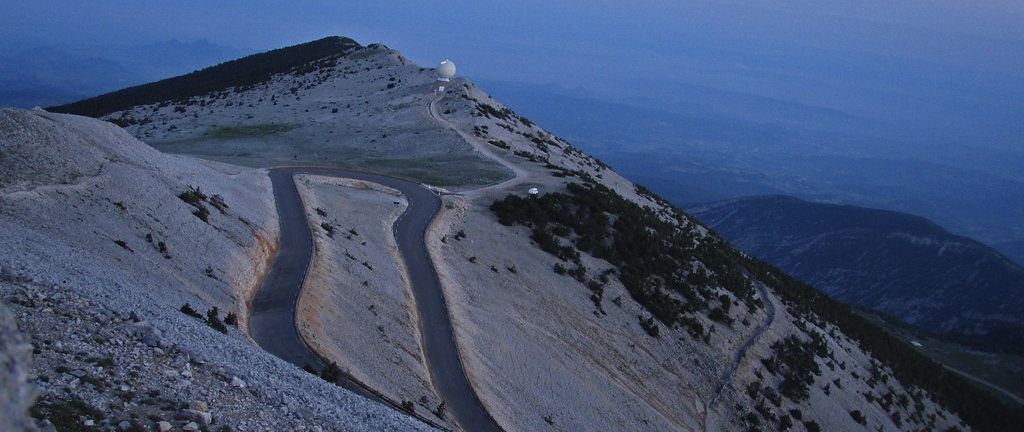
Froome increased his lead with a predictably awesome time trial on Stage 11. He lost around one minute when Saxo-Tinkoff and Belkin broke away on a windy flat stage, but gained it right back climbing up Mont Ventoux. He put in another masterful performance in the mountain time trial, though this time his rivals kept their time losses to a minimum. The pressure was high heading into the double ascent of Alpe d’Huez on stage 18, the first of three grueling Alpine stages, but Froome never cracked. Breakaways took stages 18 and 19, though the GC contenders duked it out when they reached the slopes, and stage 20 saw a showdown between all top climbers in the peloton, but despite the best effort of Joaquim Rodriguez, and stacked teams like Movistar and Saxo-Tinkoff, Froome’s lead barely shrunk. The high uphill tempos across the last few days were too much for Contador, who tumbled down to 4th place by the time all was said and done in the mountains, unable to keep up with Froome, Quintana, and Rodriguez on the steep summits: the relentless assaults by the young Colombian Quintana and seasoned veteran Rodriguez nabbed them spots on the podium beside the man who dominated the Tour almost from start to finish, Chris Froome. The final results looked like this:
1. Christopher Froome (UK) Sky Procycling | 83:56:40
2. Nairo Alexander Quintana Rojas (Col) Movistar Team | +0:04:20
3. Joaquim Rodriguez Oliver (Spa) Katusha | +0:05:04
4. Alberto Contador Velasco (Spa) Team Saxo-Tinkoff | +0:06:27
5. Roman Kreuziger (Cze) Team Saxo-Tinkoff | +0:07:27
6. Bauke Mollema (Ned) Belkin Pro Cycling Team| +0:11:42
7. Jakob Fuglsang (Den) Astana Pro Team | +0:12:17
8. Alejandro Valverde Belmonte (Spa) Movistar Team | +0:15:26
9. Daniel Navarro Garcia (Spa) Cofidis, Solutions Credits | +0:15:52
10. Andrew Talansky (USA) Garmin-Sharp | +0:17:39
Peter Sagan won the Points Classification, and Nairo Quintana won both the King of the Mountains polka dots and the white jersey of the best young rider.
Froome Dominates and Young Guns Step Up
Starting with the obvious, Froome was simply head and shoulders above the competition. The 100th edition of the Tour de France was very exciting to watch, but the fiercest competition was for the other two spots on the podium: Froome’s hold on the top was basically unassailable. He jumped well ahead early in the Pyrenees, solidified his position with stellar time trialing, and held on through the Alps despite vicious assaults from Nairo Quintana and Joaquim Rodriguez. His teammate Richie Porte showed rare talent as well, and together they were able to overpower the competition on the summit finishes. Porte gave everything he had for Froome’s victory, gladly sacrificing his own top 10 aspirations for the cause, and I fully believe he could have been on the podium had he not done so: he went so hard leading Froome up stage 8’s climb that he was exhausted on stage 9, and he chose not to contest stage 17’s time trial so as to save energy to lead Froome through the Alps. The word is that he’ll be given team leadership at one of the other two Grand Tours, and I believe that if he focuses on his position rather than a teammate’s, he’s more than capable of a Grand Tour win.
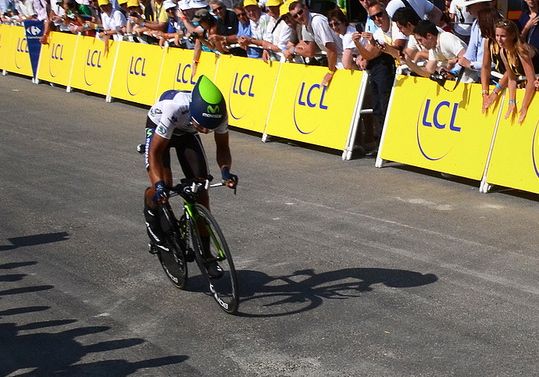 While Froome’s lead was never really in doubt, a number of young riders achieved other immense successes at the 100th Tour de France. The festivities started and ended with Marcel Kittel winning stages. His final tally was four stage wins, and he beat Mark Cavendish and Andre Greipel in flat sprints more than once. After years of dominance from the Manx Missile, who had never been beaten on the Tour’s final day, Kittel’s emergence at age 25 promises to give cycling fans a real show of speed for the next several years. At age 23, Peter Sagan dominated the points competition in a manner similar to Froome’s dominance of the general classification. And of course, Colombian prodigy Nairo Quintana arrived loudly and clearly, adding a stage win, 2nd overall, the young rider’s jersey, and the King of the Mountains jersey to his resume. What a year he has had, winning the Tour of the Basque Country in style (beating the likes of Alberto Contador and Richie Porte in the final day’s time trial to take the win) and now this. His team gave most of its support to Alejandro Valverde for the first two weeks of the race; with full support, if Quintana can improve his time trial and his attacking strategy, he is more than capable of repeating or even bettering this performance in the future, as he isn’t even close to hitting his prime. Andrew Talansky clawed his way back after a day of suffering in the heat of the Pyrenees early on and found himself in the General Classification Top 10 when the peloton finally rolled over the finish line in Paris, good enough for second in the young rider’s competition. Michal Kwiatkowski finished in the top 10 of six separate stages with varying profiles, and he managed to nab 11th place overall in the Tour. Surely, in a few years, he could be a top 10 favorite here, or a favorite for the points classifications of the Vuelta or Giro, where points aren’t split up to favor the sprinters over other riders. He was one of the most complete riders in the Tour de France, with a rare combination of climbing, sprinting, and time trialing ability.
There were many other great storylines to follow as well. For all the success Nairo Quintana had, his team struggled in the middle of the Tour. Alejandro Valverde fell out of contention for the podium on stage 13 due to mechanical problems on a windy day, and Rui Costa plummmeted, too, when Movistar sent him back to help Valverde. Undeterred, the team fought tooth and nail for glory over the last several days: Costa won not one but two stages, and Valverde powered his way back into the top 10 overall.
Much was made of the contenders’ form heading into the first days of the Tour in Corsia. Of the four biggest favorites (Froome, Contador, Rodriguez, Valverde), only Froome seemed to be in impeccable form, having won every stage race he attempted this year except for Tirreno-Adriatico, in which he placed second to Giro winner Vincenzo Nibali. Contador, on the other hand was only so-so all year long, prompting questions about his ability to peak in time. Rodriguez had a strong spring and then struggled in the Dauphine. Valverde also had a strong spring and wasn’t great in the Dauphine. As it turned out, starting on form made all the difference for Froome, as it was his first real mountain day that put him virtually out of reach. Contador, meanwhile, never did really round into old form; 4th isn’t anything to sneeze at, but he could never really keep up with the top 3 riders in the race. Joaquim Rodriguez steadily improved as the Tour went on, chipping away at an early deficit to the other contenders and improving his position in the Alps. Valverde will be left wondering what might have been had he not suffered some very bad luck on stage 13; he finished ahead of Contador on both Alpine summit finishes and his stages 8 and 11 had originally given him an impressive chunk of time on Purito and around half a minute on Contador. In any case, Froome has been dominant all year and continued his dominance into the Tour, Rodrigez and Valverde showed good form earlier in the year and were able to maintain a high level and then peak again for the Tour, and Contador never showed his old levels of ability earlier this year and was unable to round into form this July.
Other riders who impressed? Roman Kreuziger, Bauke Mollema, and Jakob Fuglsang. All 28 or younger. Kreuziger managed a 5th place despite working for his teammate Alberto Contador. Bauke Mollema was as high as 2nd as late as stage 14, but he faded a bit as the Tour crested more and more summits—still, he adds a 6th overall to a resume that already includes a 4th overall and the points classification at the Vuelta. Jakob Fuglsang was steady throughout the race despite having very little team support compared to the other riders who finished in the top 8—given the kind of help from Astana that his teammate Vincenzo Nibali gets, Fuglsang could take on the Giro or Vuelta with podium aspirations while the Shark heads to the Tour. With Rodrigez, Valverde, and Contador all on the wrong side of 30, these guys could be hanging around Grand Tour top 10s a lot in years to come.
On the other hand, it would be an oversight not to mention BMC’s terrible three weeks. Despite their massive team budget, the red and black squad managed no stage wins and didn’t place anyone in even the top 20 overall. For some reason, team management expected Cadel Evans to perform at a high level despite the fact that he entered the race only a month after finishing a grueling Giro. His Tour was a flop–he lost a lot of time on stages 8 and 11 and then faded badly after. Tejay van Garderen fell out of contention early, finishing over twelve minutes behind Froome on stage 8, apparently due to an inability to cope with heat in the Pyrenees. Philippe Gilbert proved again that if your form wasn’t good heading into the Tour, it’s probably not going to magically appear when you get there. His best finish was 5th on stage 3. In the wake of so much team failure, BMC sports director John Lelangue has just quit his job.
Edvald Boasson Hagen, Jurgen Van Den Broeck, Jean-Christophe Peraud, and others were forced to abandon after suffering various serious injuries. Peraud broke his collarbone on an early morning recon ride of stage 17’s time trial course when he was still in the top 10 overall: he started the race that day anyway, only crash and fall on the same side, one of the more cringe-worthy moments of the Tour. Hopefully they will all recover quickly.
And to end positively? Daniel Navarro went from 20th overall and more than twenty-three minutes behind Froome after stage 15 to 8th overall by the time the peloton rode into Paris, thanks to a few breakaway successes and a good ride up the Semnoz. What a climb up the leaderboard! Jens Voigt, age 41, treated us to what may have been the last Tour de France breakaway attack of his career. Peter Sagan gave chanting fans what they wanted time and again with his trademark wheelie-popping, even doing it without hands on occasion. And to showcase a little globalization, a South African, Daryl Impey, wore the yellow jersey from stage 6 to stage 8 before he handed it over to Chris Froome, who was himself, of course, born in Africa.
The Tour de France may be cycling’s biggest race, but the 2013 season still has yet to present the third Grand Tour, the Vuelta a Espana, as well as the final Monument Classic, the Giro di Lombardia, and the World Championship race, in addition to a number of other major events on the calendar. This Saturday will showcase not one but TWO WorldTour races, with the start of the Tour de Pologne, and the single-day Clasica de San Sebastian. Many of the same riders you saw in the Tour de France will be targetting these races to come, as will some of the sports biggest names who skipped the Tour this year, names like Bradley Wiggins, Vincenzo Nibali, and Fabian Cancellara. To summarize: keep watching! There are a number of big events right around the corner!
-Dane Cash
Photos by Natalie Marchant and Tom Ducat-White.