Tag: Peter Sagan

  • Tour de France 2013 Day 10: Where We Stand After Nine Stages, and Looking Ahead to Stages 10-14

    MontStMichel

    Day 10: Yellow Jersey Battle Shaping Up

    In very broad strokes, stages 8 and 9 were what we expected: a select group of riders gained major ground in stage 8, and nobody picked up much time in stage 9, though a few riders fell out of contention.

    But as far as how all that actually happened, and to what extent, the two days in the Pyrenees were quite surprising, and quite decisive for a number of riders. On the first day, Sky kept a impressive pace throughout the day, and didn’t panic when star riders like Nairo Quintana launched attacks on the slopes. The train just chugged along, dropping guys like Tejay van Garderen out of GC contention. Eventually, all attackers were reeled in, and on the final climb, Richie Porte put the hammer down like an Australian John Henry (sorry for all the railroad-oriented language) and laid waste to some big names. In the end, it was just Porte and Froome riding together with all other challengers in the rear view mirror, and then Froome swung out ahead of Porte and went off alone for the victory, with his captain riding in behind him some fifty seconds later. Valverde and Mollema came in next, over a minute down on Froome, and then Laurens Ten Dam and a surprising Mikel Nieve. Kreuziger, Contador, and Quintana were all 1:45 down on Froome, and Rodriguez, Costa, Martin, Talansky, and Fuglsang rolled in over two minutes behind the Sky leader. But things went well for these guys compared to Cadel Evans and Dani Moreno, who lost over four minutes, and Pinot and van Garderen, who found themselves out of contention for GC, six and twelve minutes back, respectively. A truly decisive day, and one from which yellow jersey favorites not named Chris Froome will have a lot of trouble recovering. Valverde mitigated his losses, but Contador and Rodriguez will have trouble taking back seconds, especially with a flat time trial coming up this week. To those wondering if Andy Shleck is finally back, he did manage to cross the line only three and a half minutes down.

    Stage 9 was a day filled with attacks, and the madness hit Sky hard. Peter Kennaugh crashed into undergrowth beside the road and left the team down an important domestique. When Garmin and Movistar started attacking like crazy on every ascent, Sky found themselves struggling to reel in the constant barrage from the likes of Ryder Hesjedal and Nairo Quintana. Richie Porte, who clearly had little left in the tank after so much energy expended the day prior, lost touch and Sky was unable to give him as much support as they might have wanted. He tried chasing, but was ultimately called off the endeavor, proving a crucial difference between last year’s Wiggins-Froome duo and this year’s Froome-Porte duo: Porte is 100% commited to Froome’s victory, and everything else is secondary. Porte was integral to Froome’s huge time gap the day before, and he paid for it in stage 9. Still, Chris Froome was unbroken by the constant attempted breakaways, and by the final Cat 1 climb, a select group of strong climbers was riding together with no one ahead of them. Then, Garmin’s Dan Martin jumped ahead and did what he does best, gunning uphill toward the summit. Jakob Fuglsang joined him, and together, they descended skillfully for thirty kilometers, holding onto a few tens of seconds of a lead. Martin outsprinted Fuglsang for the stage win. Still, in terms of GC, they finished with only twenty seconds of a gap between themselves and the Froome group, which included all of the big favorites (among them Cadel Evans and even Andy Schleck, who sits in a somewhat surprising 15th place)… except for Richie Porte, who came in around eighteen minutes down with broken-ribbed Ryder Hesjedal. With the second-in-command’s chance at the podium done, Sky may have to alter strategy somewhat now that Porte going off the front won’t scare anyone for GC.

    Stage 10: Saint-Gildas-des-Bois > Saint-Malo 197km Flat

    It’s a day for the sprinters, with a Cat 4 climb, but otherwise, not much to break up the pack. It looks like a perfect day for the big boys, Cavendish, Greipel, and Kittel. Hard to pick from among these guys. Greipel seems a solid choice for the leadout friendly finish.

    Stage Favorites:

    1. Andre Greipel | 2. Mark Cavendish | 3. Marcel Kittel

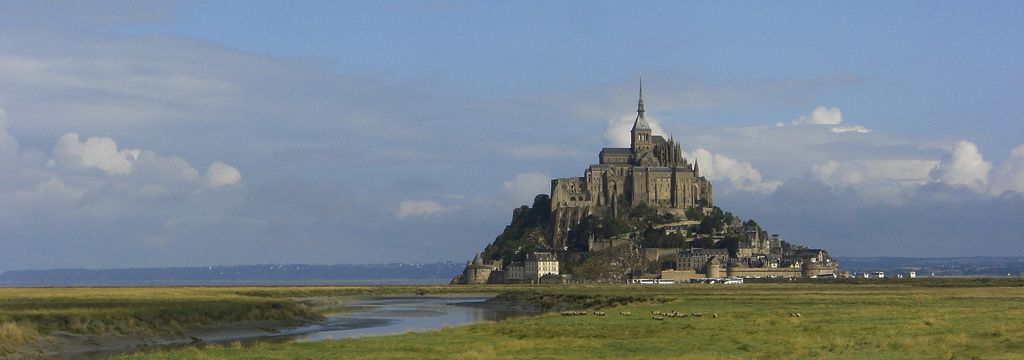
    Stage 11: Avranches > Mont-Saint-Michel | 33km | ITT

    An incredibly scenic time trial that will provide plenty of helicopter shots… It’s flat, but fortunately for Contador et al, it’s relatively short, meaning it will be difficult for Chris Froome to pick up too much time on his climbing-oriented rivals. Tony Martin seems to be recovered from his stage 1 crash, and if so, he’s the favorite to win the day, though Froome winning wouldn’t surprise anyone. If Tejay van Garderen has recovered from his curious case of being terrible, he should challenge for a top spot as well. Of the GC types, Contador and Valverde are both decent time trialists, and so are Kwiatkowsi and Fuglsang and of course Cadel Evans. Nairo Quintana has surprising ability for all his “climbing” specialist label. On the other hand, Joaquim Rodriguez, Daniel Martin, and Laurens Ten Dam will all be doing their best to keep their losses slight. Tipping a non-GC name in a Grand Tour time trial can be difficult, simply because some guys take it easy in order to rest for their domestique duties: Tanel Kangert seriously let the VeloHuman Procycling (fantasy) squad down in the Giro when he decided to use the stage 18 time trial as a recovery ride to best prepare to help Nibali in the mountains. I would imagine that Richie Porte would have an excellent day, but he has shown that he’s willing to put his own dreams aside for Froome. Edvald Boasson Hagen might dig this stage, too, it being a short TT, something he’s in which he is quite capable of performing. Sylvain Chavanel, Peter Velits, Svein Tuft, and Cameron Meyer are other guys who could place highly. My pick to surprise is Movistar’s Jonathan Castroviejo. He’s nowhere close in GC so who knows, but he has the ability to time trial with the best of them.

    Stage Favorites:

    1. Tony Martin | 2. Chris Froome | 3. Peter Velits

    Watch Out For:

    Jonathan Castroviejo

    Stage 12: Fougères > Tours | 218km | Flat

    Another flat day, and I am running out of things to say about these sorts of stages. It’s a rather long stage, but there are only small bumps to keep things interesting. I’d imagine it’ll be the usual suspects at the finish line, and I’m hard-pressed to pick one over the other but more often than not I’d take Cavendish on a garden-variety flat stage.

    Stage Favorites:

    1. Andre Greipel | 2. Mark Cavendish | 3. Marcel Kittel

    Stage 13: Tours > Saint-Amand-Montrond | 173km | Flat

    There is a Cat 4 climb early, and then an uncategorized but surprisingly steep little hill only a few kilometers from the finish. Perhaps things will get interesting if Gilbert is sick of all the “when will he win?” talk and decides to attack on the climb? Probably not. It is likely that everyone makes it to the mass sprint, but I like Cavendish, Sagan, and Kristoff most here.

    Stage Favorites:

    1. Mark Cavendish | 2. Peter Sagan | 3. Alexander Kristoff

    Stage 14: Saint-Pourçain-sur-Sioule > Lyon | 191km | Medium Mountains

    With seven categorized climbs (five Cat 4s and a pair of 3s), this stage might have breakaway written all over it if it weren’t for Peter Sagan and his pack of Cannondale supporters. As effectively as they handled stage 7, it’s hard to pick against them here, though even if they do manage to reel in any early breakaways, a pair of Cat 4s less than 20 km from the finish could be a springboard for the always hungry Sylvain Chavanel or Gilbert. If the pack finishes together minus the Greipel-types, Sagan seems the easy favorite, with Edvald Boasson Hagen and true all-rounder Michal Kwiatkowski (assuming he goes for it now that he is placed so highly in GC) as other possible contenders. It could be a good day for Orica-GreenEdge’s Simon Gerrans or Daryl Impey to jump ahead late, as well.

    Stage Favorites:

    1. Peter Sagan | 2. Edvald Boasson Hagen | 3. Michal Kwiatkowski

    Watch Out For:

    Daryl Impey, Simon Gerrans

    -Dane Cash

    Photo by schlaeger.
  • Tour de France 2013 Day 3: Where We Stand After Three Stages, and Looking Ahead to Stages 4-7

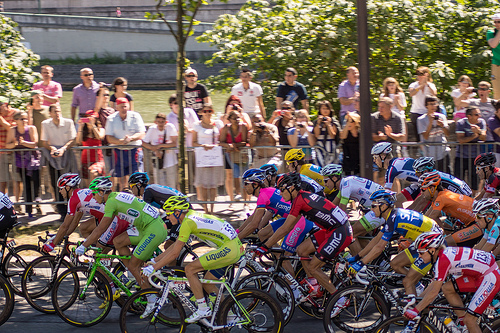
    Day3PicCrop

    Day 3: A Wild Corsican Start

    Eschewing a prologue this year, the Amaury Sport Organization decided to kick of the Tour de France with a flat stage and two hilly stages, ensuring action from the get go. We knew stage 1 would be hairy, ridden at times on narrow, windy roads even if it was flat, but we never could have predicted the crash-ridden affair that was. The Orica-GreenEdge team bus arrived at the finish late and (according to them team) was waved through the finish line toward the parking area… despite the fact that the gantry (a structure built set up several meters above the finish line that serves multiple purposes for signage and timing) had already been put in place. Predictably, the bus got stuck under the apparatus when the riders were less than an hour out, and what was initially a humorous affair turned crazy when the race staff could not manage to get the bus out. Over race radio, they informed the riders of an incident, and officially moved the finish line 3km closer… Minutes later, as the riders were closing in on the new makeshift finish line, staff succeeded in moving the bus, and back over race radio came the organizers, letting the riders know that the finish was now the original finshing line. Moments later (probably largely as a result of the confusion and rapid change in tempo), a few riders touched wheels and a massive crash took down a number of big names, including Peter Sagan, Tony Martin, and Alberto Contador. Stage favorite Mark Cavendish stayed upright but was stuck behind the carnage. A severely reduced bunch escaped the mess and among them was, Marcel Kittel, who managed to gallop to the stage win, his first in the Tour de France. Typically, if a crash occurs in the last three kilometers of a race, riders are given the time of the group they were with pre-crash; therefore, while the crash did not occur within there kilometers of the original finish, what with all the confusion about the finishing line caused through no fault of the riders, it was all but expected procedure when race organizers gave all riders the same time for overall classification on the day. While Tony Martin had to take a trip to the hospital, and others suffered bruises and cuts, nobody was too seriously injured.

    Marcel Kittel wore yellow for Stage 2, and all 198 original riders managed to made the start, scabs and sore elbows be damned. Unfortunately for Kittel, the hills proved to much for the young rider, and he was dropped from the bunch, along with Cavendish and Greipel, well before the finish line. What looked like Sagan’s day to lose became much more exciting when a group of six riders struck out for glory from the pack after the day’s final descent with only a few kilometers to go, Sylvain Chavanel among them. Sagan and the rest of the peloton gave vigorous chase and rounded up all but Radioshack’s Jan Bakelants, who managed to huff and puff his way to a one second victory over the hard charging sprinters. With it came the yellow jersey and a 1 second lead over the others. Sagan took second on the day.

    Stage 3 was even hillier, and once again, the flatland sprinters found themselves distanced on the climbs, leaving familiar names like Peter Sagan, Edvald Boasson Hagen and Simon Gerrans to duke it out for the win. Gerrans enjoyed a perfect leadout round the final corners and down the straightaway, and despite Sagan’s best efforts to ride Orica-GreenEdge’s wheels (a number of Cannondale riders couldn’t hang on over the climbs) before launching toward the finish, he ran out of road and Gerrans claimed Orica’s first ever Tour de France win. Sagan nabbed another second and with it, the green jersey, while Bakelants remains in yellow with his single second lead over everyone else. Despite not yet bagging a stage win, Sagan sits in a strong position in the points competition with two near-wins to Cavendish/Greipel’s combined zero top 20s. All three have managed to keep it close in intermediate sprints.

    Now, I’ll look ahead to the next stretch of racing. We’ve moved to the mainland, and kick it off with a team time trial followed by three days before the Pyrenees.

    Stage 4: Nice > Nice | 25km | TTT

    Stage 4’s team time trial is too flat and too short to see large time gap’s form, so I don’t think it will have too lasting an impact on the overall general classification; however, with 70+ riders sitting a one second back on Jan Bakelants and a number of non-selective stages to come, the highest placed rider on the winning team tomorrow will likely wear the yellow jersey for several days. Stage 1’s craziness shakes up the team time trial. Had some big names, including world’s-greatest-time-trialist, Tony Martin, not taken a hard fall in that mess, I’d consider this a showdown between Omega Pharma-Quick Step and Sky, both of whom bring very strong teams to the Tour. Without Martin (OPQS) or Geraint Thomas (Sky) at full strength, it’s going to be harder to predict; but I’d still take OPQS and Sky over the others. Omega Pharma’s 23-year old Michał Kwiatkowski stands to win yellow if his team can deliver a victory, and if they do, he might even be able to hold it for several days, being a capable climber. Chris Froome, Richie Porte, and Edvald Boasson Hagen will lead a powerful Sky team against them with the possibility of EBH taking yellow if they win. I don’t think I have any surprise names for this one teamwise, as the team time trial is a discipline that favors the strong teams. Other contenders include BMC, Garmin-Sharp, Belkin, Orica-GreenEdge, and Movistar — people seem to underrate Rui Costa and Nairo Quintana as time trialists.

    Stage Favorites:

    1. Omega Pharma-Quick Step | 2. Sky

    Stage 5: Cagnes-sur-Mer > Marseille | 228.5 | Flat

    With an early Category 3 climb and then three Cat 4s, it’s no gimme that Cavendish, Greipel, and Kittel will make it to Marseille with the bunch. But the Missile and Gorilla know they have to make up a lot of ground for the green after missing out completely on the sprints at three straight finishes. If they don’t make it, obviously we can expect Sagan, EBH, Goss/Impey/Gerrans, and possibly John Degenkolb (though he failed to make it with the pack in both the second and third stages). However, I think most of the bunch gallopers are going to make it, and this could be Cavendish’s first stage win of the Tour. Hopefully, all three of Cav (probably), Greipel (probably), and Kittel (maybe) make it, so we can get a better idea of how each is doing form-wise in comparison to one another.

    Stage Favorites:

    1. Mark Cavendish | 2. Andre Greipel

    Stage 6: Aix-en-Provence > Montpellier | 176.5km | Flat

    A single Cat 4 climb stands out on an otherwise pancake-esque route. Barring a crash, it should be a day for the heavy hitter sprinters. GC contenders will try to stay clear of any messes. Peter Sagan will have a good opportunity to see whether his team, built almost completely around providing him with a strong leadout on the flats, can get him in contention here, especially after lackluster team showings on stage 2 and 3.

    Stage Favorites:

    1. Mark Cavendish | 2. Andre Greipel | 3. Marcel Kittel

    Stage 7: Montpellier > Albi | 205.5km | Medium Mountains

    The day’s four climbs in order: Cat 3, Cat 2, Cat 3, Cat 4. Unfortunately for the breakaway artists, there are roughly thirty downhill kilometers leading into the finish line, meaning that while a breakaway might survive for a while, it seems likely that the Sagan types in the peloton will charge hard on the descending roads to sweep them up after the flatland sprinters are dropped. On the other hand, with the Pyrenees looming, the GC types might want to hold off, which works in favor of the break. It’s a perfect day for Orica-GreenEdge, a team with a number of riders who are capable of winning in a breakaway AND winning in a reduced sprint, making either scenario favorable for the Australian squad. If I had to make a pick, I’d bet the group comes back together on the descent, pitting Sagan against whomever Orica-GreenEdge is riding behind and other versatile riders with fast finishes, like Francesco Gavazzi (Astana), or Edvald Boasson Hagen or Michał Kwiatkowski if they don’t mind going all out the day before they take to the high mountains. Given the likelihood of strong performances in Stage 4’s TTT from a number of teams who have good sprinter-with-climbing-ability types, one of the riders gunning for this stage win could be sporting the yellow jersey in the blur of the bunch sprint… if they manage to catch the breakaway.

    Stage Favorites:

    1. Peter Sagan | 2. Francesco Gavazzi

    -Dane Cash

    Photo by Jean François Bonachera.

  • Tour de France 2013 Day 0: Where We Stand, and Looking Ahead to Stages 1-3

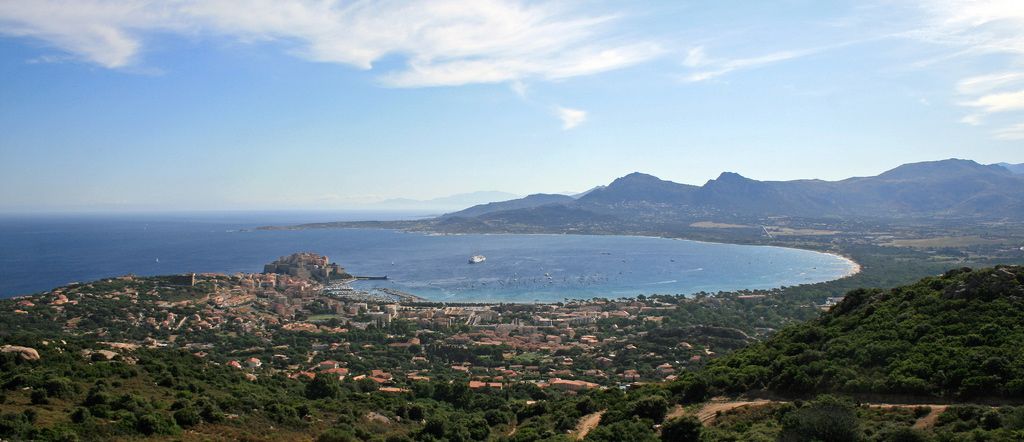
    Bay

    Day 0: Tour de France Eve

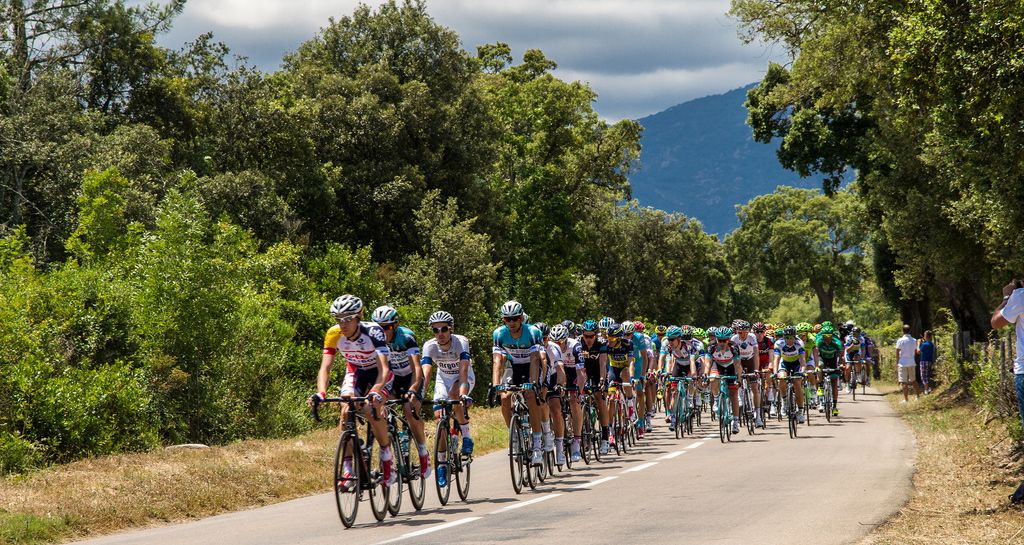
    The board is set. In just one day, the pieces will be in motion. My long pre-race outlook basically covers a lot of “Where We Stand.” The big storyline of the opening of the Tour is the absence of a prologue stage. The organizers have done away with the super-short time trial in favor of a real road race to kick off the Tour’s first visit to Corsica. Tomorrow, the best lineup of sprinters in recent Tour memory will set out with hopes of not only winning the day, but also of earning the yellow jersey (if only for a little while), an incredibly rare opportunity for the Mark Cavendishes and the Andre Greipels of the world. The first stage was obviously already going to be hotly contested, but with this added prestige up for grabs, OPQS, Lotto-Belisol, Argos-Shimano and the other big sprint squads will be laying it all on the line. Meanwhile, Sky, Saxo-Tinkoff, BMC, Garmin and the rest of the of GC-focused teams will try to balance easing into the Tour with staying on their toes while the fast men fly around them. Here’s a quick look ahead at how I think things will pan out in Corsica.

    Stage 1: Porto-Vecchio > Bastia 213km Flat

    It’s a true flat stage, and that heavily favors the guys I see as this race’s best three true sprinters: Mark Cavendish, Andre Greipel, and Marcel Kittel. Cavendish and his squad seem to have their act together after some early hiccups this year, but Greipel and Kittel have succeeded in outsprinting him before. I think Kittel will surprise some people; this Tour could be his coming out party on the grand stage. Still, the first and last stage of this Tour have probably been on Cavendish’s mind since the race profile was announced, and I think he’s the man to beat. However, the road has many twists and turns and narrow sections on the way to the finish line, and with so much prestige up for grabs, it could get pretty hairy out there. No real way to predict crashes and who will survive them, but don’t be surprised if a lot of guys go down scrambling for the win Saturday.

    Stage Winner Prediction:

    Mark Cavendish

    Stage 2: Bastia > Ajaccio 156km Medium Mountains

    The road goes up rather quickly, as the riders face a hilly stage on just the second day of the Tour. With four categorized climbs, including a Cat 3 less than 20m from the finish line, Stage 2 could be too much to ask for the pancake sprinters. I think this one will come down to the fast men who can hang on over the hills, and I see a quintet of Peter Sagan (Cannondale), Alexander Kristoff (Katusha), John Degenkolb (Argos-Shimano, Matt Goss (Orica-GreenEdge), and Edvald Boasson Hagen (Sky). The profile looks perfect for Degenkolb, but he has been lackluster so far this year. Eddy Boss may not have the necessary team support. Goss needs to show the world that he’s capable of reaching his potential, and I think he’ll have this stage in his sights. Unfortunately, Sagan won’t be taking any days off on his quest for green, and given what we’ve seen from him, I’m calling this stage for him. If Degenkolb and Goss are still at the front of the peloton by the time the final summit is crested, I wouldn’t be surprised to see a long range attack from Sagan after climbing that final lump. Kristoff’s sample size of results is too small at this point in his career to make a decent prediction on his results, but he’s been hot on the tougher sprints and could play spoiler here.

    Stage Winner Prediction:

    Peter Sagan

    Stage 3: Ajaccio > Calvi 145.5km Medium Mountains

    The Col de Marsolino, a Cat 2 climb less than 15km from the finish (after three other categorized climbs on the day), will likely prove too much for most of the traditional sprinters. This stage might even see a spirited breakaway attempt. It looks like it would be a great opportunity for Philippe Gilbert to nab his first win with an attack over the Marsolino, but I can’t tip him as my pick for the winner with his utter lack of results so far this year. Some of the punchier GC guys might take a whack at it as well, so watch out for Rodriguez, Valverde, Dan Martin, or Roman Kreuziger. I wouldn’t be surprised to see a move from any of them (or the always aggressive Contador) over the last climb, but I would be a little surprised if such a move were allowed to make it across the line, instead leaving this stage to the fastest man still hanging on in the bunch. Tough as the day may be, I think Sagan has it in him to be there till the end. On the third stage of the recent Tour de Suisse, the Slovakian wunderkind managed to win a stage after making it up and over a Cat 1 climb near the finish line with Rui Costa, Roman Kreuziger, and Mathias Frank, distancing even Bauke Mollema, Dan Martin, and Tejay van Garderen. You can almost never count him out. I’d expect to see Alejandro Rodriguez in typical all-out form at the line if Sagan doesn’t make it with the group, but if I had to say one way or the other, I think he might be able to hang on for the ride.

    Stage Winner Prediction:

    Peter Sagan

    -Dane Cash

    Photo by Lori Branham.


  • Tour de France 2013: An In-depth Guide for New Fans

    Tour2012

    Race Overview

    The 100th Tour de France will run from June 29th to July 21st, covering over 3400 km (2110 mi) across 21 stages. July 8th and 15th are rest days. The race begins in Corsica, visiting the island for the first time in the history of the Tour, and from there it moves to the mainland. For the first time since 1988, the Tour will take place completely within French borders. With 22 teams (all 19 WorldTour teams and 3 Pro Continental teams) of 9 riders each, 198 riders will make the start.

    18 of the 21 stages are mass-start races, in which riders leave in a large group and, depending on how technical the route is, generally finish in groups as well (large groups if it’s a flat stage, smaller groups if there is climbing). Seven of these mass-start stages are classified as flat stages, five are classified as medium mountain stages, and the other six are classified as high mountain stages. Three stages of the 2013 Tour de France are time trials—two are individual time trials, and one is a team time trial. In an individual time trial, riders start by themselves at staggered times and race against the clock for the best time. Drafting is not permitted. Special equipment, including handlebars that extend off the front of the bike allowing for a more aerodynamic position, are permitted in this discipline. A team time trial also uses a staggered start and special equipment, but riders race with their teams and are allowed to ride in their team members’ slipstreams. A team’s riders are awarded the time of the fifth best rider on the team (assuming they had the same or a better time than that rider). This requires the team to work together and plan to finish with at least five members in the group.

    The Tour de France is one of cycling’s three Grand Tours, along with the Giro d’Italia (Tour of Italy), held in May and won this year by Vincenzo Nibali, and the Vuelta a España (Tour of Spain), held in August and September and won most recently (2012) by two-time Tour de France champion Alberto Contador. As with all Grand Tours, the Tour de France involves many different competitions across its three weeks. Some riders come to the Tour seeking to finish with the best overall time in a quest for what is known as the General Classification (GC). The GC leader wears an iconic yellow jersey while he retains the lead. Typically, the rider who wins the yellow jersey is a skilled climber and time trialist, as it is on these types of stages where the biggest gaps between riders tend to form. Last year’s winner was Bradley Wiggins of Team Sky. Wiggins will not be riding in this year’s Tour de France; Team Sky will instead be led by last year’s runner-up, Chris Froome.

    Other riders come to the Tour with other objectives. Each of the Tour’s 21 stages is a race in and of itself, and winning an individual stage of a stage race at this level is a highly coveted honor. In addition to the General Classification, the Tour de France (like many other stage races) has a Points Classification, in which riders compete to accrue the most points, awarded for high placings at the finish line of each stage, and at intermediate sprint points along the way. Unlike the overall classification, the points classification does not penalize riders for having bad days. It doesn’t reward them for finishing in the back of a large bunch, either. Points are only awarded for placing highly at intermediate sprints and the finish line. While riders aiming for the General Classification have no special incentive to race to the line when finishing in a group, the Points Classification exists to award those who do push for the finish line even when the peloton is traveling en masse. Naturally, this classification is especially coveted by those riders who specialize in sprinting to the finish line. The leader in the Points Classification wears a Green Jersey. Last year’s winner was Peter Sagan of Cannondale.

    The most highly placed GC rider who is 25 years of age or younger gets to wear a White Jersey, denoting the leader of the “Young Rider” classification. Last year’s winner was American Tejay van Garderen of Team BMC.

    The polka dot jersey is awarded to the rider who accrues the most mountain points: steep climbs are categorized by difficulty, from Category 4 (easiest) to Hors Categorie (French for “beyond classification,” hardest), and the first riders over the tops of these climbs score mountain points for their efforts. Quite often, the mountains classification is won by a climbing specialist who does not have a strong hope for winning the GC, and is therefore allowed to ride ahead on some stages. The winner can be difficult to predict, as the polka dot jersey often goes to a rider who begins the race with GC aspirations but for whatever reason has to shift focus. Last year’s winner was Thomas Voeckler of French team Europcar.

    Rider Overview

    Yellow Jersey Favorites:

    • Chris Froome (UK) – Sky
      • Odds-on favorite (literally, he has better than 1:1 right now), though given the enormity of the task of winning the TdF, Froome vs. the field is a really close call. The 28-year-old was runner up in last year’s Tour to teammate Bradley Wiggins, though on multiple stages it was clear that Froome was the stronger rider. He’s been almost untouchable on the bike this year, winning big stage races like the Tour de Romandie and the recent Critérium du Dauphiné, and coming in second to Vinny Nibali in Tirreno-Adriatico. He can do it all, but some are concerned he may have peaked too early…
    • Alberto Contador (ESP) – Saxo-Tinkoff
      • Contador is the rider with the most experience winning Grand Tours. Whereas Froome has yet to win a Grand Tour, Contador’s won all three, and he’s won the Tour twice and was the winner of a third until it was stripped from him after a positive test for clenbuterol. Won last year’s Vuelta in his first Grand Tour back from suspension… BUT he hasn’t looked great this year, and was decidedly not awesome at the Dauphiné. Perhaps he will peak at just the right time. Many dismiss his poor performances so far this year as irrelevant. Got his start really young so while he’s been around awhile, but he’s only 30.
    • Joaquim “Purito” Rodriguez (ESP) – Katusha
      • Climbing specialist who has nine Grand Tour top 10s and numerous stage wins, to go along with a boatload of podium finishes in the big single day climbing races. He’s not much in a time trial, but the Tour organizers have done a smart thing by reducing the number of individual time trials from 3 to 2, and making one of them hilly, so the course suits him better than ever. At 34, he’s starting to get up there. Not a great Dauphiné performance.
    • Alejandro Valverde (ESP) – Movistar
      • Winner of the 2009 Vuelta, two-time winner of the biggest single-day climbing race in the sport (Liege-Bastogne-Liege), and winner of a boatload of Grand Tour stages, Valverde is an all-rounder with climbing ability. To boot, he has a killer team backing him up, with young dark horse Nairo Quintana and winner of the Tour de Suisse Rui Costa to help out. Not great at the Dauphiné, not terrible.
    • Richie Porte (AUS) – Sky
      • Froome’s top lieutenant and a heck of a racer in his own right, Sky could go 1-2 overall (which they did in the Dauphiné). Unlike last year, when Froome looked stronger than Wiggins on a number of days and their lukewarm relationship was clear (and blossomed into something worse this year), this year will see Sky led by two guys who really like each other and who hang out a lot, so a leadership crisis is less likely. Porte’s been really strong for the last two years and is hitting his prime.
    • Cadel Evans (AUS) – BMC
      • Old-man Cadel took third at the Giro and he’s in a weird position now. On the one hand, not many people expected him to be so strong at the Giro. On the other hand, 1) Ryder Hesjedal and Bradley Wiggins both dropped out of the Giro, and 2) Cadel sort of faded as the race went on, finishing third to Sky’s Rigoberto Uran. So now nobody really knows how to view Cadel. He struggled in last year’s Tour in the mountains and finished 7th.
    • Tejay van Garderen (USA) – BMC
      • 5th in last year’s TdF and might have taken 4th if he hadn’t had to wait for team leader Cadel a bunch of times. He won the Tour of California in commanding fashion, but there weren’t that many real superstars there. Then he went and had a dud of a Tour de Suisse. BMC named Cadel the team leader again, but that could just be smoke and mirrors. It seems likely that Tejay won’t get held back this year if he can prove that the Suisse was a fluke and that he still has his form. He’s a strong climber and a very strong time trialist. He’s 24 and he’s from Tacoma, WA. Moved to Bozeman, MT as a kid. Speaks Dutch. Not counting team time trials (BMC is killer in a TTT, but the TTT in this year’s Tour is short enough that it’ll be a relatively pointless day with not much in the way of time differences) he’s never actually won a WorldTour race (Tour of California was on the America Tour, and although the biggest race on that tour and attended by plenty of stars like Sagan, not as huge as, say, the Critérium du Dauphiné). He doesn’t seem to really care about stage wins either. Even if he doesn’t mount much of a challenge for yellow, he’ll still be in contention for the young rider classification.

    GC Outsiders (alternatively, possible mountain stage winners if they fall off of GC):

    • Thibaut Pinot (FRA) – FDJ
      • 23 year old French rider who was 10th last year, second to Tejay for the young rider jersey, and he won a stage, too. Looked good in the Suisse last week. Basically has immense pressure on him because he’s the first French rider in years who looks capable of being a superstar. Can climb with the best of them and is a great candidate to win a late climbing stage if he falls of the lead for GC and the yellow contenders don’t mind him going off ahead. Stage 15 falls on Bastille Day, and if he’s out of contention for GC, he or some other French rider will try to climb the summit finish first for national glory.
    • Nairo Quintana (COL) – Movistar
      • 23 year old rising star who can climb like crazy. Beat Richie Porte and Alberto Contador in the Tour of the Basque Country earlier this year and did it while putting in a beast time trial performance that was somewhat unexpected. He weighs 130 pounds. Grew up dirt poor. Feel good story kinda kid.
    • Jurgen van den Broeck (BEL) – Lotto-Belisol
      • Four Grand Tour top 10s, and a good climber.
    • Dan Martin (IRL) – Garmin-Sharp
      • 26 year old who has won major shorter stage races, a stage at the Vuelta, and most recently, the aforementioned Liege-Bastogne-Liege. Likely to pack a heck of a punch with Garmin’s three-pronged attack, but it’s unclear whether he’s built to handle three weeks of racing. He needs to show now whether he’s up for it or whether he is more of a shorter race kinda guy. Awesome climber and a great bet to win climbing stages. Still unproven as a time trialist.
    • Ryder Hesjedal (CAN) – Garmin-Sharp
      • Won the 2012 Giro and has top 10ed in the TdF and a bunch of single day climbing races. Integral to teammate Dan Martin’s LBL win earlier this year. Big favorite for the Giro but he got sick/didn’t look that great anyway so he dropped out. Then he crashed out of the Tour de Suisse. Who knows? If he’s on form he’s awesome at everything. Big if.
    • Bauke Mollema (NED) – Belkin
      • Best rider (climbing-oriented) on a strong team Belkin (who took on that name today after several months without sponsorship, during which time they went by the awesome name “Blanco”). Won the green jersey in the Vuelta in 2011 (the Vuelta is so hilly that climbers who can sprint win the green pretty often, which is kinda weird compared to the Tour). 2nd in this year’s Tour de Suisse. Blanco/Belkin has a bunch of young Dutch guys with loads of talent who have yet to prove themselves. Hopefully he doesn’t fall apart.
    • Andrew Talansky (USA) – Garmin-Sharp
      • Florida-born Talansky has had some great results in his young career (he’s 24). He was 7th in last year’s Vuelta. He was 2nd to Porte in Paris-Nice this year (Tejay was 4th). Unfortunately, he got really sick at the Dauphiné and now it’s hard to say how well he’s prepared. Garmin-Sharp has three really strong riders, but Talansky is least likely to be “team leader.” Seems likely that Hesjedal will be captain or co-captain with Martin.
    • Andy Schleck (LUX) – Radioshack-Leopard-Trek
      • Has earns a mention as someone worth knowing even though it’s extremely unlikely that he’ll win. He’s one of the biggest names in the sport. Four Grand Tour podium appearances and he’s still relatively young (28). Winner of the 2010 Tour after Contador was stripped of his result. Winner of Liege-Bastogne-Liege. Superstar climber. In 2012 he crashed hard and took a little time off. Had ample time to recover but he has barely finished a race since then. He’s done nothing of note since taking 2nd overall and a stage in the 2011 TdF, and doesn’t look good this year. Many question his resolve. Lots of media spotlight because he’s done so well in the past.

    Green Jersey Favorites:

    • Peter Sagan (SVK) – Cannondale
      • Winner of last year’s green jersey, Sagan is an incredibly versatile rider. He can win on all but the most mountainous stages. He’ll be near the top for the flat stages. He’s a beast and he’s only 23. Fiery and totally dominant whenever the field has dropped the guys who are flat sprinters. They call him the terminator. Won the green last year. Sometimes called a sprinter but he’s shown that he deserves to be considered an all-rounder, just last week the only Points-hopeful to stick with the GC contenders over some very steep climbs in the Tour de Suisse.
    • Mark Cavendish (UK) – OmegaPharma-Quickstep
      • Fastest man on a bike, assuming the road is perfectly flat and he doesn’t have to go all-out for too long. Cav will probably win the most stages, but there will be a number of stages that Sagan can win where Cav won’t make it with the main group; on the flip side, on the really flat stages, Sagan will still be there in the top 20, so it’s likely that Cav will win more stages but Sagan will finish highly in a bunch of stages and win the green. Known as the Manx Missile (because he’s from the Isle of Man, self-governing Crown Dependency in between Britain and Ireland). Likes to win on the Champs-Elysses, where he has yet to be beaten.
    • Andre Greipel (GER) – Lotto-Belisol
      • Cav’s main competition on the very flat stages. The finish in Paris is likely to come down to these two. Will turn 31 in July but he seems to still have plenty of power. Won three stages in last year’s Tour. Known as the “Gorilla.” Clearly, sprinters get the best nicknames.

    Other Points Hopefuls:

    • Marcel Kittel (GER) – Argos-Shimano
      • There are guys who can climb and then sprint (Sagan is so good at this he warrants being called in all-rounder), and guys who focus on the dead sprint to the lines in a pancake flat (Cavendish/Greipel). Argos-Shimano is coming to the Tour to win stages, and they have two star riders that neatly fit into each category and therefore, shouldn’t be competing with each other. Kittel is the man for the flats. He’s 25 and he’s had a good year so far.
    • John Degenkolb (GER) – Argos-Shimano
      • Degs is the Argos sprinter who can climb. He’s at his best on tougher “flat” stages that have hills to drop the pure sprinters. He won a whopping 5 stages at last year’s Vuelta, and he took another win in stage 5 of the Giro this year.
    • Matthew Goss (AUS) – Orica-GreenEdge
      • In 2011 he won one of the five Monuments, Milan-San Remo, and stages in Paris-Nice and the Tour Down Under, and he also finished 2nd in the World Championships. He has shown that can sprint with the best of them—and yet, after driving expectations quite high early in his career, he hasn’t been able to meet those expectations recently. He’s only 26, but he needs to win more at Grand Tours to show that he has what it takes. Unfortunately, he’s sort of like Barkley or Malone or Ewing or anyone else who didn’t live in Chicago in the 90s. Hard to prove yourself when there are guys who will one day be considered all-time greats taking all the wins.
    • Edvald Boasson Hagen (NOR) – Sky
      • Boasson Hagen has Sagan’s ability to win nearly anywhere—he can even time trial, winning the Norway national champs six times, and he’s only 26! He’s won shorter stage races and single-day classics. He has one of the best team’s the world has ever seen backing him up. Unfortunately, Sky ain’t here to get Boasson Hagen stage wins, so it’s hard to say whether he’ll have the support he deserves. Wiggins was happy to be the leadout man for Cavendish last year when they both raced together (a sight not often seen, the yellow jersey in a leadout). We’ll see if Froome and Porte are as supportive of Eddy Boss’s hopes against Sagan, Degenkolb and Goss.
    • Alexander Kristoff (NOR) – Katusha
      • Another powerful rider from Norway, Kristoff looked strong at the Tour de Suisse and will be gunning for a win or two in France, though his team will be mostly made up of climbers in support of Joaquim Rodriguez.
    • Tyler Farrar (USA) – Garmin-Sharp
      • America’s best sprinter. He’s won stages in all three Grand Tours, as well as the Vattenfall Cyclassics twice. If he were from Wallonia (that’s in Belgium) instead of Wenatchee, Washington, he’d be a sports star in his homeland. Will be tough for him to get a win in against such awesome competition.
    • Philippe Gilbert (BEL) – BMC
      • Current holder of the world champion’s rainbow jersey, but yet to win a race this year. A puncheur who likes to charge over short steep climbs, Gilbert has a strong finishing kick on lumpy stages but will be up against difficult competition from Sagan on the less mountainous stages and the GC guys/his own limitations on the bigger climbs.

    Other Names:

    • Jens Voigt (GER) – Radioshack-Leopard-Trek
      • His sixteenth TdF, and he’s now participated in more than 15% of the Tours ever ridden. Best on rolling hills often seen in transitional stages too hilly for the traditional sprinters, wins by breaking away from the peloton, usually when there are undulations all the way to the finish, preventing the peloton from gaining too much of a drafting advantage to catch back up.
    • Simon Gerrans (AUS) – Orica GreenEdge
      • Another guy who likes hilly stages. He’s a very smart rider and he’s won stages of all three Grand Tours. He can hang on in a breakaway and he can sprint well, too. Won last year’s Milan-San Remo.
    • Thomas Voeckler (FRA) – Europcar
      • French rider who can climb and win in a breakaway. Won the Mountains Jersey last year to go along with two stages.
    • Pierre Rolland (FRA) – Europcar
      • Young French climber who can get into a breakaway and may try something on Bastille Day.
    • Tony Martin (GER) – OmegaPharma-Quickstep
      • Best time trialist in the world. You probably won’t see him much except on stage 10, a scenic time trial to Mont Saint-Michel, and possibly stage 17, which is hillier and might be too much for him. But if you do tune in to watch the beautiful helicopter shots over Mont Saint-Michel, expect to see him near the top of the leaderboard on the day.

    -Dane Cash

    Photo by Adam Bowie.

  • Tour de Suisse 2013 Post-race Impressions: Costa Takes Yellow on the Final Day, Sagan Versatile as Ever

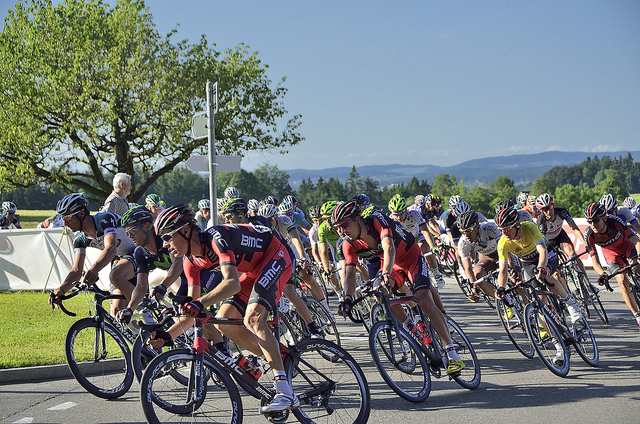
    TdSCorneringBrief Recap

    Mathias Frank might have spent the majority of the week in yellow, but Rui Costa’s final day victory to take the jersey from the Swiss rider came with an air of inevitability. After Cameron Meyer won a whacky opening time trial of just 8.1 kilometers in which conditions changed dramatically over the course of the afternoon, Mathias Frank took the lead in the third stage after back to back days of climbing (though Meyer, to his credit, never gave up his pursuit of GC). Over the next few days of flats and gentle hills, Costa was always lurking, watching sprinters and rouleurs racking up the points and waiting for his moment. In the race’s seventh and queen stage, Costa mastered a selective climb and won the day with Bauke Mollema and Tejay van Garderen in tow. By the end of the following and penultimate stage, Frank’s lead on GC had dwindled to just 13 seconds over Costa, and with a difficult time trial to cap off the race, it was clearly going to be too much to ask of Frank to hold onto the yellow jersey. He finished a disappointing 19th in the time trial. Meanwhile, Costa dominated the course, finishing 21 seconds ahead of Tanel Kangert and 29 seconds ahead of Bauke Mollema, and sliding easily into the overall win.

    Peter Sagan took the points classification after two impressive stage wins, first managing to hang on to the group of GC contenders over a tough climb in the race’s third stage and then outsprinting Daniele Bennati in the eighth stage.

    The final general classification standings looked like this:

    1. Rui Alberto Faria da Costa (Por) Movistar Team | 31:08:11

    2. Bauke Mollema (Ned) Blanco Pro Cycling Team | +0:01:02

    3. Roman Kreuziger (Cze) Team Saxo-Tinkoff | +0:01:10

    4. Thibaut Pinot (Fra) FDJ | +0:01:26

    5. Mathias Frank (Swi) BMC Racing Team | +0:01:43

    6. Tanel Kangert (Est) Astana Pro Team | +0:01:51

    7. Tejay van Garderen (USA) BMC Racing Team | +0:02:23

    8. Daniel Martin (Irl) Garmin-Sharp | +0:02:42

    9. Simon Spilak (Slo) Katusha | +0:02:42

    10. Cameron Meyer (Aus) Orica-GreenEdge | +0:03:44

    Takeaways

    While their respective teammates were not living up to expectiations at the Critérium du Dauphiné (this would be a reference to Movistar’s Alejandro Valverde and Saxo-Tinkoff’s Alberto Contador), Rui Costa and Roman Kreuziger showed strong form in Switzerland. Costa was a favorite coming into the race after winning last year, and this year he was head and shoulders above the rest, finishing with more than a minute’s lead over Bauke Mollema. His performance in the final time trial was even more impressive than anyone expected. With a podium finish in Romandie and now this at the Tour de Suisse, Costa’s confidence has to be pretty high heading into the Tour de France, so it will be interesting to see how Movistar handles their trio of powerful mountaineers (along with Valverde and Costa, Pais Vasco winner Nairo Quintana makes three) in the Pyrenees and Alps.

    Bauke Mollema’s terrific week in Switzerland, capped off with a stage win and second overall, earned him the nod as team leader over Giro dropout Robert Gesink in the upcoming Tour de France. After a slower-than-hoped-for experience in the first day’s strange time trial, Mollema came out fighting the next day, soloing to the stage victory and beginning a tough climb up the leaderboard that ultimately put him onto the podium. For Blanco (which will be Team Belkin by the end of the month), who has seen a lot of underperforming lately, this kind of grit is a welcome sight. Blanco/Belkin will be sending a team composed almost solely of GC contenders and domestiques to France, and Mollema has proven himself a worthy leader.

    American Tejay van Garderen and Irishman Dan Martin finished one before the other, and both left Switzerland with question marks. Neither had a good opening time trial day, but Fabian Cancellara couldn’t even figure that stage out. When Frank took the leader’s jersey, van Garderen was happy to play lieutenenant for a little while in the former’s home tour. Meanwhile, Martin’s team went from strong to mediocre when 2012 Giro winner Ryder Hesjedal sustained hospitalization-level injuries in a bad stage 3 crash and was forced to pull out. Both riders managed to hang within striking distance of the podium over the next few days, but despite an uphill final day that suited both of them, Martin and van Garderen couldn’t make up any ground in the time trial either. As a favorite going into the race, van Garderen will be disappointed, but he generally hung on when the road went up and it’s tough to say how much of his time deficit to the leaders was due to his support of Frank. Martin will probably be less disappointed, managing a top 10 finish in his first WorldTour race since his Monument win at Liege-Bastogne-Liege in April, and without Ryder Hesjedal. Hesjedal’s injuries apparently were not too serious, but there is no word yet on whether he will be good to go for the Tour. If he is, Garmin will take a strong team to France with Talansky, Martin and Hesjedal (and likely Farrar for stage wins).

    Speaking of stage wins, Peter Sagan did what he does best, wowing everyone with a pair of gutsy victories and winning the points jersey commandingly. There is no question of his being on form for France, and he showed his versatility more than ever with a win in the mountains of Switzerland. It will be tough for Cavendish, Griepel and co. to contend for green with a guy who can win stages with all but the steepest climbs. Arnaud Démare had an impressive week as well, notching a win in stage 4 and coming in third on stage 5. At just 21, he’s an exciting up-and-comer for FDJ.

    FDJ’s other exciting up-and-comer managed a 4th overall. Thibaut Pinot has to feel good about that display heading into the biggest competition on everyone’s calendar, which happens to be a home race for Pinot and his team.

    Simon Špilak finished in the top 10, but VeloHuman tipped him as a major podium contender—his 9th place is a bit of a disappointment. Katusha will also have been disappointed by Joaquim Rodriguez’s uninspiring Dauphiné. Fortunately, Dani Moreno picked up the slack with a podium finish there, but the team will be looking for the other two to show early in the Tour that they are, in fact, in shape this summer.

    Katusha will be thrilled, however, with Alexander Kristoff, who picked up his first WorldTour win in the fifth stage of the Tour de Suisse, out-sprinting guys like Sagan, Démare, and Matt Goss. At just 25, Kristoff will carry Katusha’s flat stage hopes in the Tour.

    Hats off to Cameron Meyer, who won the opening time trial and tried to hang on as long as he could despite not being as strong a climber as the other GC guys. He fell out of the top 10 after stage 4 but fought to get back in, and ended the race in a respectable 10th place. It’s not easy to go from the track to a top 10 in Switzerland, and Orica-GreenEdge will be looking for more from him in the Tour in case Matthew Goss continues to ride without results.

    -Dane Cash

    Photo by Bruno Hotz.